
VkusVill or the Russian Tasty Town
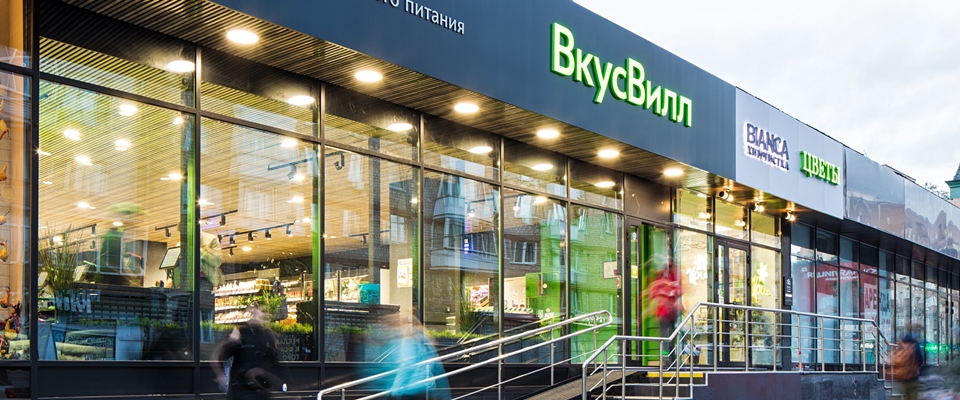
I just finished reading a book entitled “VkusVill: how to a retail revolution by doing everything wrong” by Evgeny Shchepin, an employee of the Russian chain VkusVill (translated as Tasty Town).
I recommend this book to anyone in the consumer retail space for its simple language and mostly the transparency in which the book was written by someone from inside the company and bluntly showing all the errors they made during their scaling and growth process.
We are used mostly to American, Japanese, European, and lately Chinese corporate success stories and books but not anything coming from Russia until I discovered this book, although Russia is one of the world largest consumer retail markets with giants like Magnit, X5 Retail Group and Lenta, to name few with many different store formats and thousands of locations all over the Russian territory.
The book talks about 37 rules that made the success of VkusVill, it really shows “the simple culture” of a company that became a Russian success story and the persistence of the founder and his team to make it work given the good and bad circumstances while keeping a start-up spirit running in the air and without taking 1 single loan and rotating the money generated from actual stores to open new locations!!!
You can download the book from this link: https://vkusvill.ru/en/business/files/VkusVill_Book.pdf
Extracted from their website:
VkusVill started by Andrey Krivenko in Moscow in 2009 as a food retail chain (convenience format; 150 sqm trade area; 2,000 SKUs) offering fresh and healthy food with short shelf life at affordable prices, all under its own brand ‘VkusVill’.
In 2019, the Company reached 1,200 stores in Moscow and other cities of Russia (27 in total), reported $1.3 bn of revenue, and had over 10,000 employees. Explosive growth was always financed with operating cash flow only. VkusVill has always been profitable and cash-positive. No external equity investments and no loans ever since inception.
VkusVill leverages its strong brand equity (healthy products at affordable prices) and its unique IT algorithms which allow for efficient supply chain of products with short shelf life (up to 7 days). It also has super-high customer engagement, achieved via various feedback-collecting channels (mobile apps, social networks, website). ROI when opening a store is over 100%. It all helps the Company to report historical sales CAGR of well over 50% and open stores quickly.
Additional Reading:
VkusVill is planning to launch in the Netherlands & France, read more here
Check the VkusVill store concept by Art. Lebedev Studio at this link

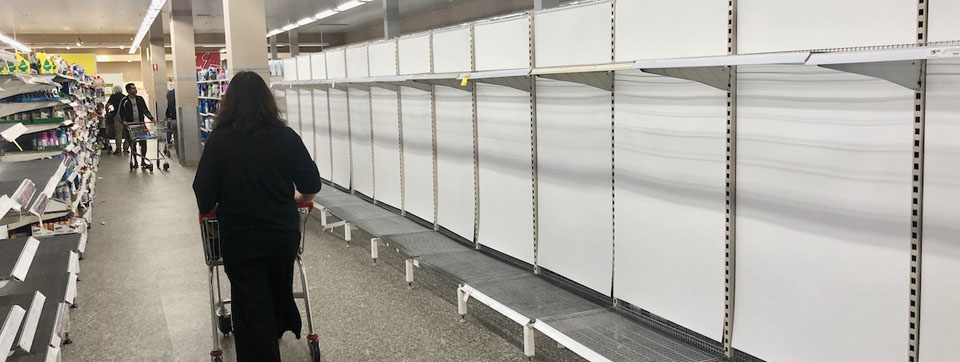
 1st category: is simply the face masks, 3-Ply mask, N-95 mask, etc… new names of masks that usually consumers never heard of, all markets are out of stock, factories production output not enough, prices rocketed to an unrealistic level in some markets, and the demand is still high in all markets.
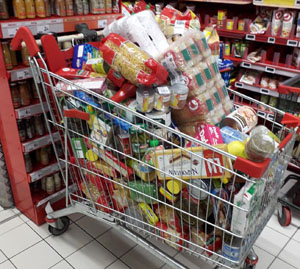
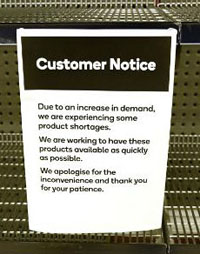 I do totally understand when people are panicking, buying and stocking out of fear but in my opinion -Panic Buying- is not necessary especially when you are not really sure about the start and the end of the event itself that brought you to this panic situation and built only on speculations. It also leads to over-consuption, stockpiling and over-spending in many cases but human nature does not count spending when in time of fear and uncertainty.

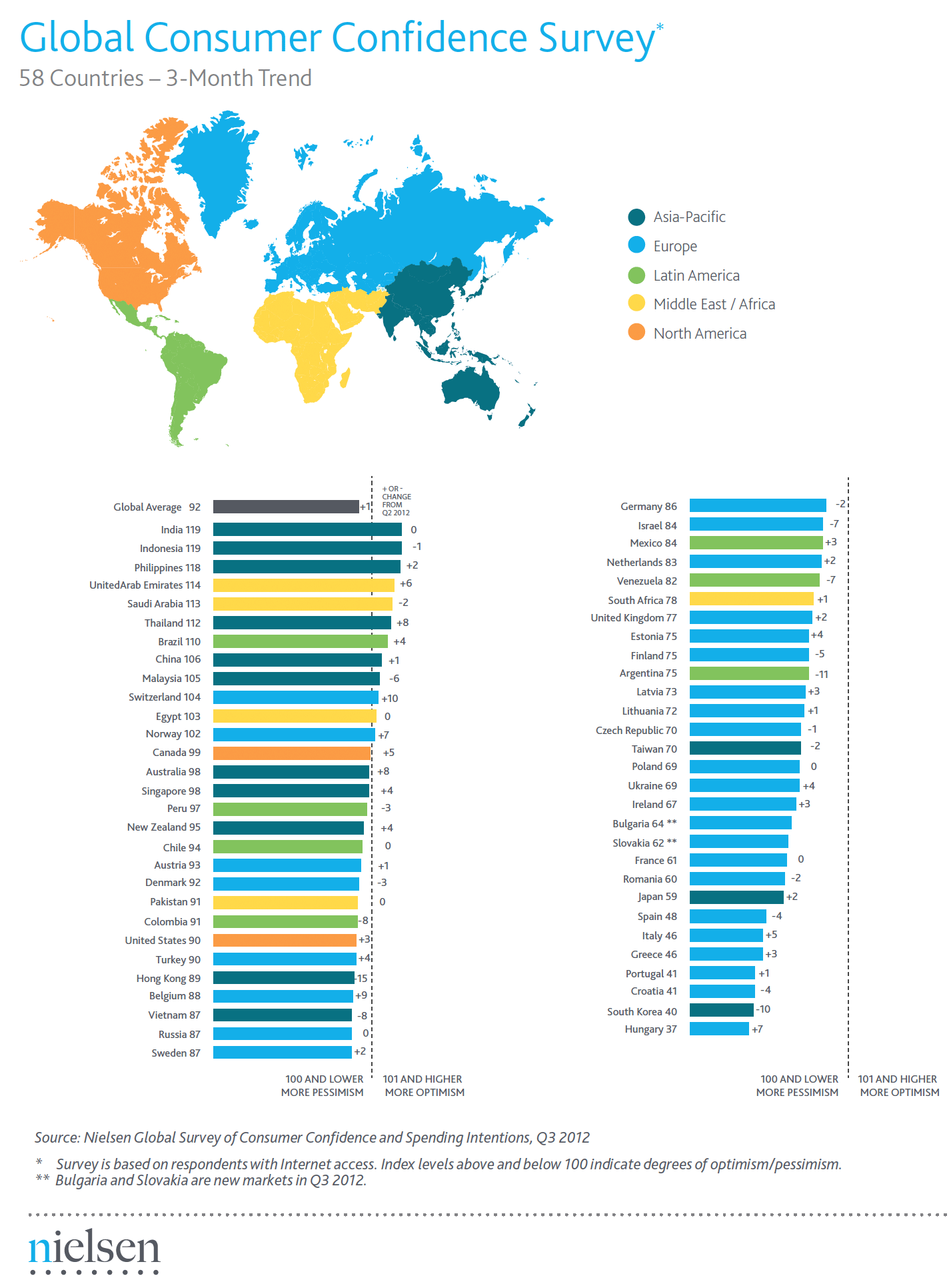
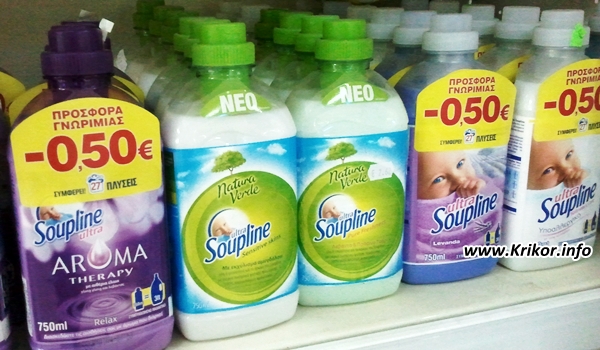

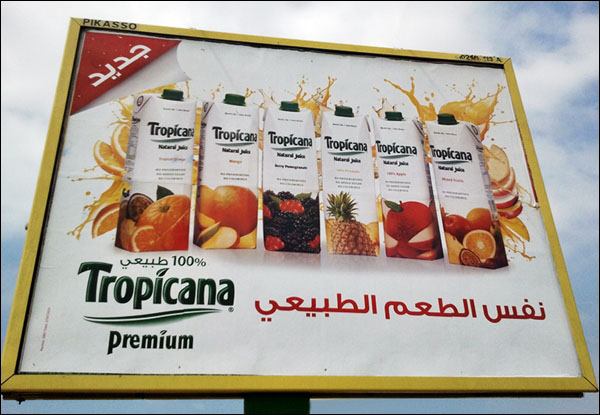
 Products which have a quick turnover, and relatively low cost are known as Fast Moving Consumer Goods (FMCG). Examples of FMCG generally include a wide range of frequently purchased consumer products such as toiletries, soap, cosmetics, tooth cleaning products, shaving products and detergents, as well as other non-durables such as glassware, bulbs, batteries, paper products, and plastic goods. FMCG may also include pharmaceuticals, consumer electronics, packaged food products, soft drinks, tissue paper, and chocolate bars.